

Quick answer: BC Ferries is British Columbia’s provincial ferry operator, and the main way to reach Victoria with your car is the Tsawwassen (Vancouver) to Swartz Bay (Victoria) sailing, a crossing of about 1 hour and 35 minutes. A standard car plus driver runs around CA$64 one way before extras, and you’ll want a reservation on busy days. One point trips up a lot of first-timers: BC Ferries is a Canadian domestic service. It does not sail from Seattle or anywhere in Washington State. If you’re driving up from the US, the boat you want is the Coho out of Port Angeles.
That single fact saves people a wasted afternoon, so let’s clear it up first and then walk through the routes, the real cost of bringing a vehicle, the schedule, and the fleet troubles that have made headlines this year.
What is BC Ferries, and which routes go to Victoria?
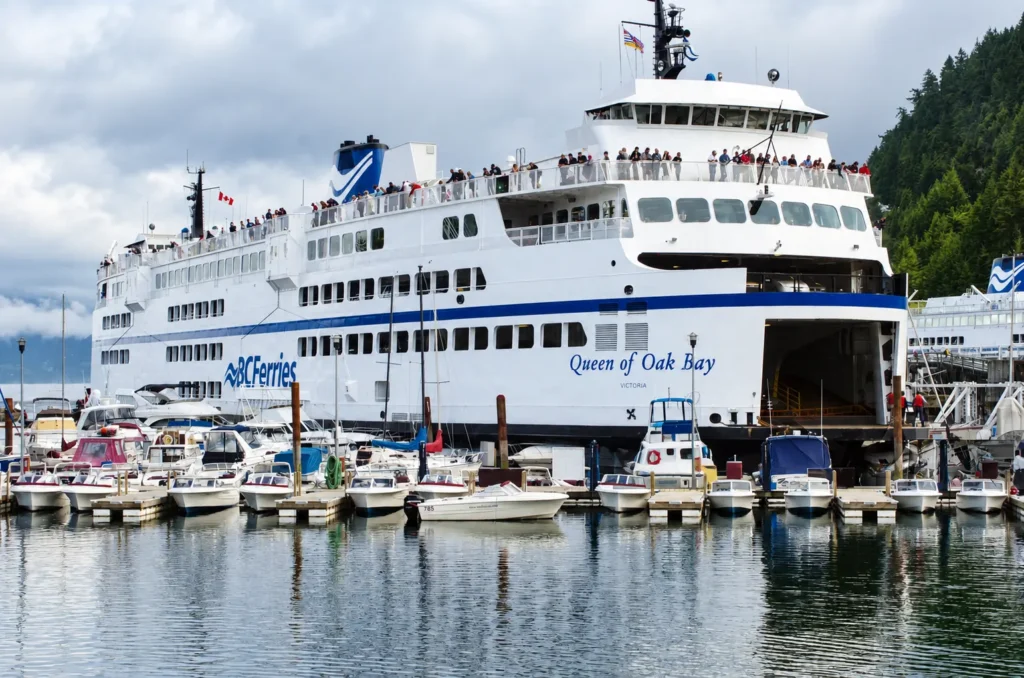
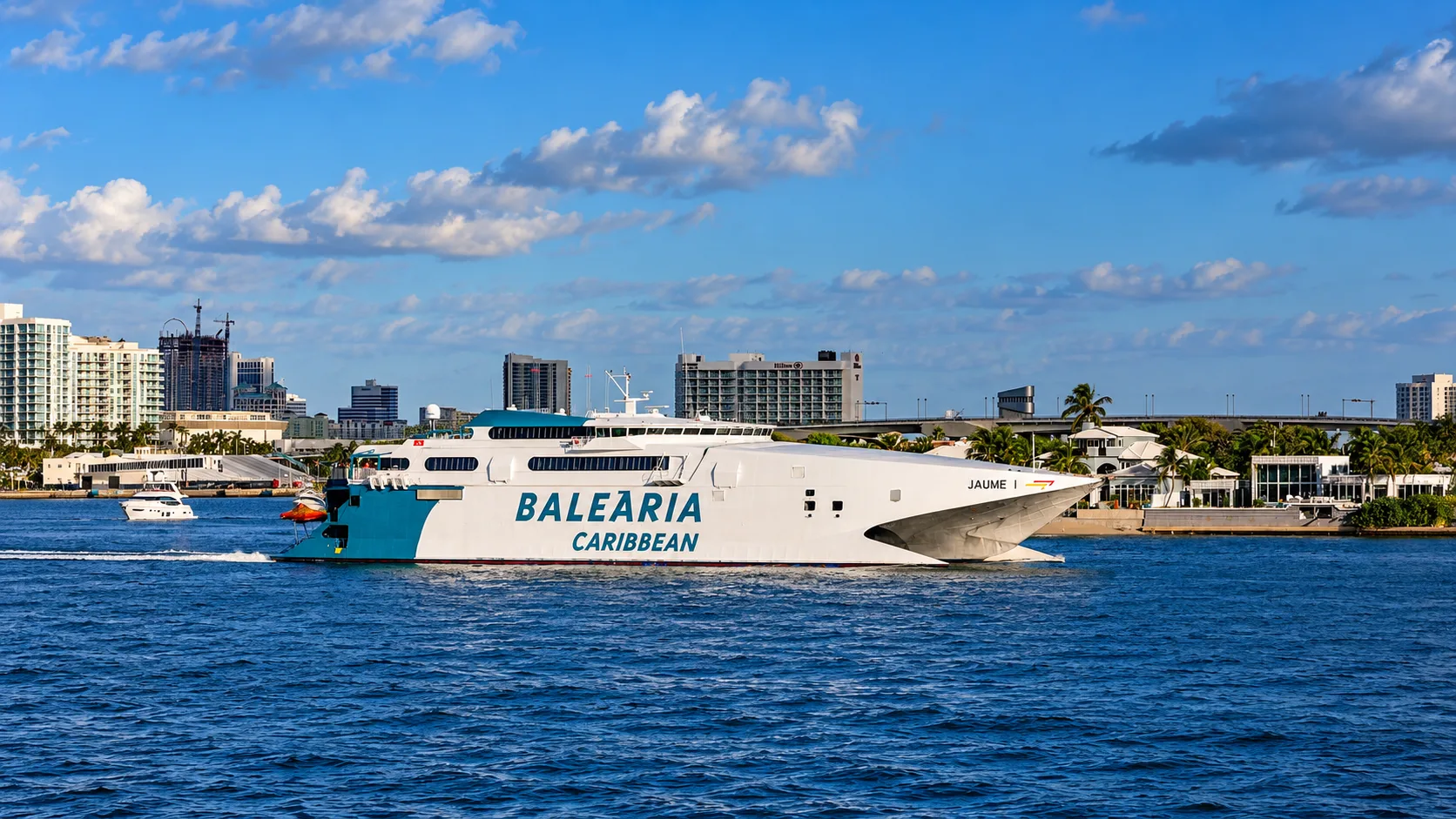
BC Ferries runs one of the biggest ferry networks on the planet, linking the mainland to Vancouver Island and dozens of smaller coastal towns. For a road tripper, treat it as a floating stretch of highway. You drive on, set your parking brake, head upstairs for the crossing, then roll off the far side and keep driving.
Vancouver Island has no bridge to the mainland. Roughly a million people live there, so the ferry is the road. That’s also why one broken engine can jam up a whole long weekend, a problem we’ll get to below.
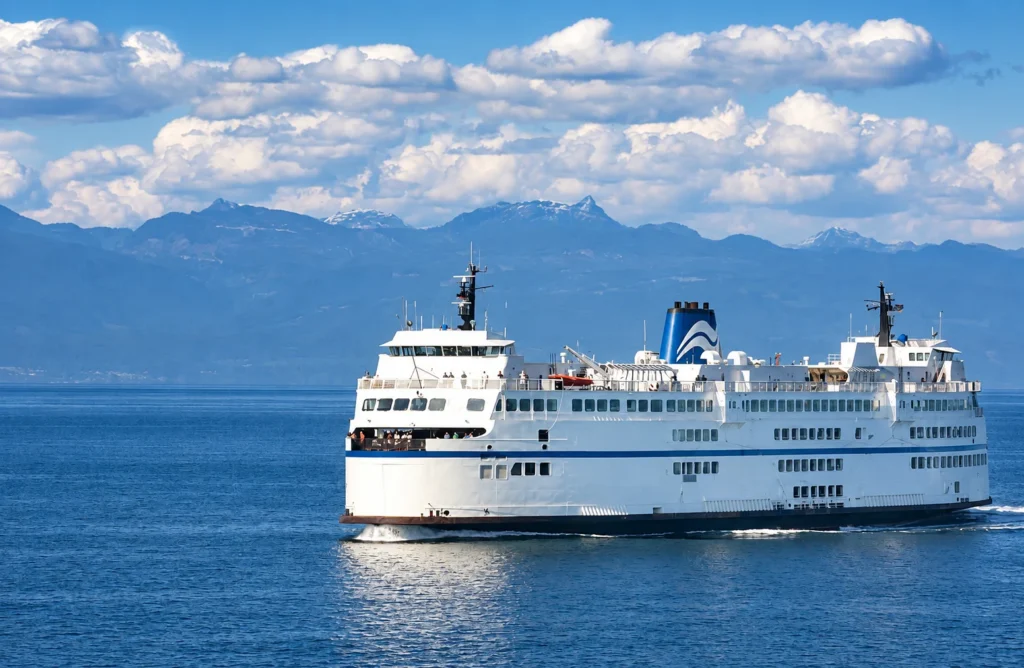
The main car route: Tsawwassen to Swartz Bay
Nearly every Victoria-bound driver uses this crossing. Tsawwassen terminal sits about 45 minutes south of downtown Vancouver. Swartz Bay, the Victoria end, is up in Sidney, roughly a 35- to 40-minute drive from Victoria’s Inner Harbour. The sailing itself takes about 1 hour and 35 minutes across the Strait of Georgia, threading between the Gulf Islands.
Peak summer days pack in the most departures, with the first boats around 7:00 a.m. and the last near 9:00 p.m. Winter thins things out. Always pull up the live BC Ferries schedule at bcferries.com before you lock in a sailing, because service levels move with the season and, this year especially, with whichever vessel happens to be in for repairs.
Other BC Ferries routes worth knowing
If your island trip points toward Nanaimo instead of Victoria, two other mainland crossings matter:
- Horseshoe Bay to Departure Bay (Nanaimo): the pick if you’re coming from West Vancouver or the Sea to Sky corridor.
- Tsawwassen to Duke Point (Nanaimo): the southern mainland option for central-island destinations.
There’s also Horseshoe Bay to Langdale for the Sunshine Coast, plus a web of Gulf Island sailings. Pull up the BC Ferries map on the official site and you can see how the pieces snap together. For Victoria, though, Swartz Bay is the only terminal you need.
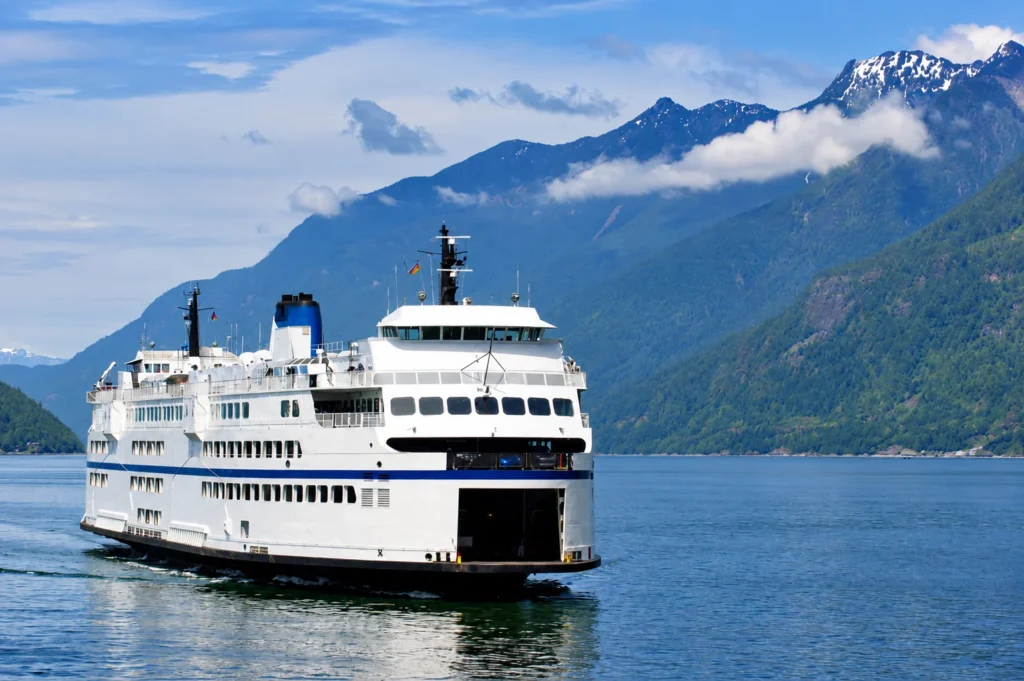
Can you take BC Ferries from Seattle or Washington State?
No, and this is the biggest mix-up behind every “ferries to Victoria, BC, from Washington State” search. Here’s the honest breakdown.
BC Ferries operates inside Canada only. To reach Victoria from the US by boat, you’ve got a short list, and not one of these is BC Ferries.
| Service | Operator | Route | Cars? | Crossing time | Ballpark fare |
| Coho ferry | Black Ball Ferry Line | Port Angeles, WA → Victoria Inner Harbour | Yes | ~90 min | Priced in USD, fuel surcharge included; check cohoferry.com |
| Victoria Clipper | FRS Clipper | Downtown Seattle (Pier 69) → Victoria Inner Harbour | No, foot only | ~2h 45m to 3h | Roughly US$130 to US$290 round trip |
| Anacortes → Sidney | Washington State Ferries | Anacortes, WA → Sidney, BC | Yes, when running | ~3h | Suspended |
| Tsawwassen → Swartz Bay | BC Ferries | Vancouver → Victoria | Yes | ~1h 35m | Car + driver about CA$64 |
If you want your car in Victoria: the Coho from Port Angeles
The MV Coho, run by Black Ball Ferry Line, is the only direct US-to-Victoria crossing that takes vehicles. It sails from Port Angeles to Victoria’s Inner Harbour in about 90 minutes across the Strait of Juan de Fuca. The ship is a classic, launched back in 1959, carrying up to 110 vehicles and around 1,000 passengers per trip. It’s not fancy, but it does the one thing the Clipper can’t: it brings your car.
Getting to Port Angeles from Seattle is its own small journey, usually two to three hours depending on traffic and whether you catch a Puget Sound crossing along the way. Book vehicle space ahead at cohoferry.com (online vehicle reservations close six hours before departure), and plan to arrive at the terminal at least 60 minutes early. A slice of every sailing stays open for drive-up traffic, but on summer weekends you don’t want to gamble on it.
If you’re traveling light: the Victoria Clipper from Seattle
Searching “ferries from Seattle to Victoria, BC” mostly turns up the Victoria Clipper, a passenger-only catamaran from FRS Clipper. It leaves Seattle’s Pier 69 and lands right in Victoria’s Inner Harbour, downtown to downtown, in under three hours. Great if you’re walking on. Useless if you want your car, because it doesn’t carry vehicles at all.
The route that isn’t running
Older guides still mention the Washington State Ferries run from Anacortes to Sidney, which is a short hop from Victoria. Don’t plan around it. That international route has been suspended since 2020, and Washington State Ferries has said it won’t likely return until around 2030 because of a vessel and crew shortage. A citizens’ group even filed a court complaint in early 2026 trying to force it back. For now, treat it as closed.
How much does it cost to bring your car on BC Ferries?
BC Ferries charges for the vehicle and for each person separately, which surprises a lot of visitors. Published fares are in Canadian dollars. To help US and Gulf readers, the table below adds approximate US dollar and UAE dirham conversions, but treat those as estimates only, since exchange rates drift daily.
Tsawwassen to Swartz Bay, one way, 2026 (official prices in CAD):
| What you’re paying for | Official (CAD) | Approx. USD | Approx. AED |
| Adult foot passenger | $18.50 to $22 | $13.50 to $16 | 50 to 59 |
| Standard car + driver | about $63.85 | about $47 | about 172 |
| Motorcycle + rider | about $31.95 | about $23 | about 86 |
| Vehicle reservation fee | $17 to $22 | $12.50 to $16 | 46 to 59 |
| Saver fare (car + driver, select sailings) | $49 to $99 | $36 to $72 | 131 to 265 |
Conversions use roughly CA$1 ≈ US$0.73 ≈ AED 2.68 and are estimates for planning only. A 5% fuel surcharge applies at payment. Children under 5 sail free, ages 5 to 11 pay about half the adult fare, and BC-resident seniors 65+ get a weekday discount. Confirm live prices at bcferries.com before you travel.
So a family of four in one car is looking at roughly CA$140 to CA$180 one way once you add up the vehicle, the driver, and three more passengers. Round trip, which adds up fast, which is why the “Saver fare” (a prepaid, book-ahead rate that can drop a car and driver to as little as CA$49 on select sailings) is worth chasing if your dates are flexible.
Two things Gulf travelers should note. BC Ferries publishes only in CAD, so any AED figure you see anywhere is a conversion, not an official rate. And there’s no separate concern about hot-weather ratings or right-hand-drive quirks here, since British Columbia drives on the right, same as the UAE, Saudi Arabia, Qatar, and the rest of the Gulf. A rental with an International Driving Permit alongside your home license is the usual setup.
BC Ferries schedule and reservations: how the vehicle line works
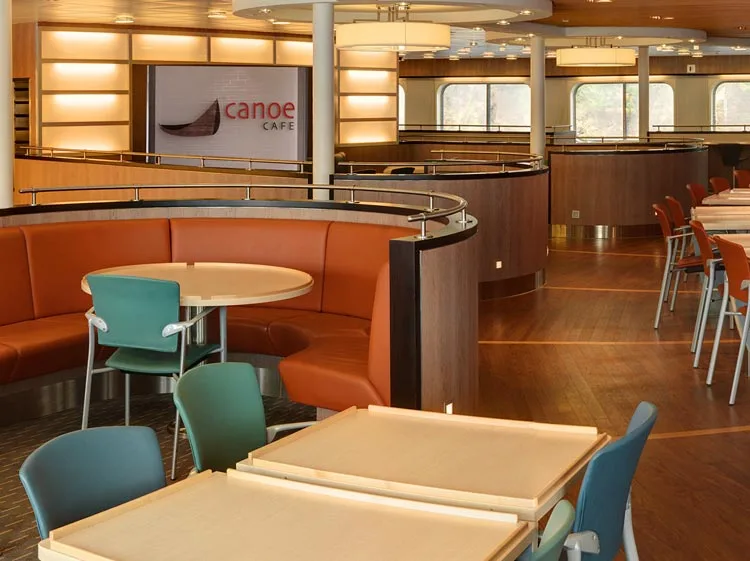
Here’s the part most guides gloss over. A BC Ferries reservation does not work like an airline seat. It holds you a spot in the loading queue, not a specific parking bay, and it doesn’t shield you if the sailing gets cancelled.
On the Tsawwassen to Swartz Bay route, you’ll see three ways to travel:
- Reserved: you book a specific sailing and time online. Check-in opens 60 minutes before and closes 30 minutes before departure. Miss that window and you can forfeit the fare.
- Saver/prepaid: cheaper, tied to a specific sailing, but you board after reserved cars, in arrival order.
- At-terminal (drive-up): no booking. BC Ferries always keeps some deck space for walk-up vehicles, but on a busy Friday you can wait through one or even two full sailings before you roll on.
For vehicles, the ticket booth and check-in close about five minutes before the boat leaves, so “just made it” is not a plan. Arrive early. Thirty to sixty minutes of cushion is normal on weekends.
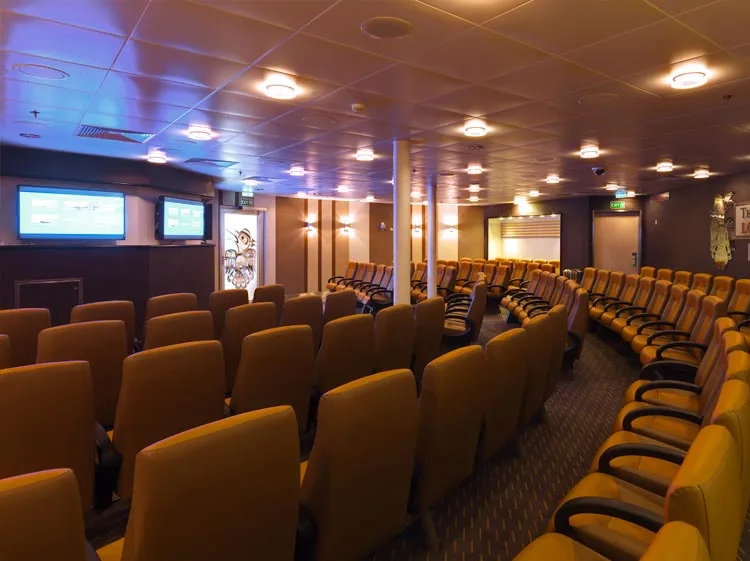
If you’re traveling as a foot passenger, life is easier. You almost never get bumped, and during disruptions BC Ferries openly tells drivers to leave the car behind and walk on instead. That advice tells you something about where the squeeze usually lands: on the car deck.
BC Ferries news today: cancellations, an aging fleet, and new ships
If you’ve been following BC Ferries news, you already know reliability has been the story. Here’s where things stand in 2026.
Mechanical cancellations keep hitting the Victoria run
As recently as September 15, 2026, a propulsion-system problem on a vessel serving Tsawwassen to Swartz Bay forced BC Ferries to cancel multiple sailings, with more at risk, and separate mechanical trouble hit the Gabriola route the same day. That wasn’t a one-off. Local outlets like the Victoria Times Colonist and Island Social Trends now cover these disruptions almost as routine.
CBC News reported in 2026 that late and cancelled sailings have roughly doubled over the decades, with ferries running more than 10 minutes late over 15% of the time since 2023. BC Ferries counters that it still completes around 99.6% of scheduled trips, and both things can be true: the system runs most days, but when a big ship goes down on a peak weekend, thousands of bookings scramble at once. Past summers saw a single vessel’s repair wipe out eight sailings a day for the better part of a week.
The takeaway for you: build slack into any BC Ferries to Victoria plan, keep an eye on the operator’s Current Conditions page the morning you travel, and have a foot-passenger fallback in your back pocket.
An old fleet and record demand
Part of the problem is age. Some of the vessels pulled for repairs in recent years are 60 years old. Meanwhile, demand keeps climbing, and BC Ferries expects the summer 2026 season to top last year’s records, partly thanks to FIFA World Cup 2026 traffic through the region. Old boats plus record crowds is a rough combination.
New ships are coming, and they’re controversial
Relief is on the way, in stages. Four new Island Class vessels are due to enter service by early 2027. Bigger picture, BC Ferries is building four new hybrid-electric Summit Class major vessels (named Summit Arbutus, Summit Cedar, Summit Maple, and Summit Spruce), each fitted with a 10 MWh Corvus battery system, due on the coast around 2029.
The catch, and the reason this became national BC Ferries news: the contract went to a Chinese government-owned shipyard, China Merchants Weihai. BC Ferries has said no Canadian yard bid, and the winning offer came in at least CA$1 billion cheaper than the alternatives. A 2026 report from the Centre of Future Work argued that building ferries at home would have cushioned BC against US tariffs and boosted local jobs. Expect this debate to keep running as the ships take shape.
What most guides skip: the drive-on itself
This is the experience layer that separates a smooth crossing from a stressful one.
Loading is orderly, then quick. You’ll idle in numbered lanes, then a deckhand waves your lane forward. Follow the car ahead, pull up tight, and switch off. On a full summer sailing, they pack vehicles close, so fold in your mirrors if you drive something wide.
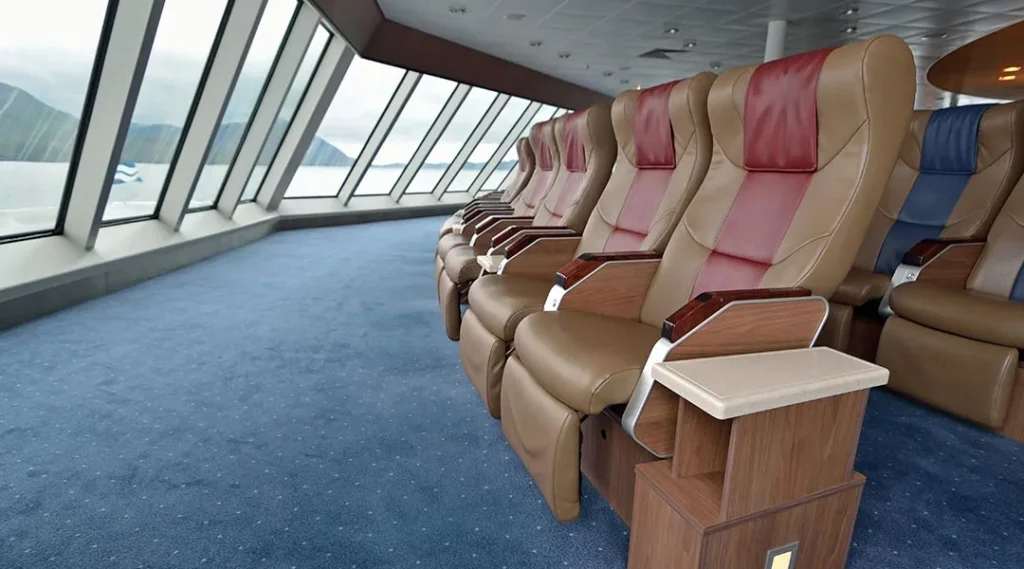
You leave the car during the crossing. Once parked, grab what you need for 90 minutes (wallet, phone, jacket) and head up to the passenger decks. You can’t return to the vehicle deck mid-sailing on most vessels, so don’t leave your ferry ticket, medication, or a bored kid’s tablet in the glovebox.
EV drivers, plan around charging, not on it. BC Ferries vessels are not your charging stop. Roll on with enough range to reach a charger in Sidney or Victoria after you land. Swartz Bay to downtown Victoria is only about 35 to 40 minutes, so any decent charge gets you there.
RVs, trailers, and oversized vehicles pay more and book earlier. Fares scale with length and height, deck space for tall or long rigs is limited, and standby is a bad bet. Reserve well ahead.
Gulf travelers and summer heat. A Pacific Northwest summer is mild by Gulf standards, so the hot-weather worries you’d have with a car in Dubai or Riyadh don’t apply on the crossing. If you’re renting, the bigger practical items are having your International Driving Permit, understanding that fuel and distances are marked in litres and kilometres, and knowing the ferry adds an hour and a half of downtime you can use to eat or nap.
Pets stay with the car or in designated areas. Most travelers leave pets in the vehicle on the enclosed deck or use the outer pet-friendly zones. Check the current pet policy before you sail.
BC Ferries: the pros and cons for drivers
Pros
- Brings your car, RV, or motorcycle straight to Vancouver Island, no rental shuffle.
- The Tsawwassen to Swartz Bay crossing is the fastest vehicle route to Victoria at about 1h 35m.
- Frequent sailings in summer and a scenic ride through the Gulf Islands.
- Saver fares can make a car and driver cheaper than you’d expect.
Cons
- An aging fleet means mechanical cancellations are a real risk on peak days.
- You pay per person and per vehicle, so a full car gets pricey.
- Reservations hold your place in line, not against cancellations.
- It doesn’t touch the US, so American road trippers need the Coho or a border drive to Tsawwassen first.
How BC Ferries compares to the alternatives
For a car heading to Victoria from Vancouver, BC Ferries has no real rival: it’s the route. The competition only appears once you widen the frame. Coming from Seattle with a car, the Coho from Port Angeles wins on simplicity. Traveling light from Seattle, the Victoria Clipper is the easy call.
Skipping the boat entirely, short flights (Alaska Airlines to Victoria International, or Harbour Air and Kenmore Air floatplanes into the Inner Harbour) beat any ferry on speed but leave your car behind. And for foot passengers between Vancouver and Nanaimo, the newer Hullo passenger ferry is worth a look. Travel forums like TripAdvisor and Fodor’s are full of veterans who’ll tell you the same thing: match the boat to whether you’re bringing the car.
Final verdict: who is BC Ferries best for?
If you’re driving to Victoria from Vancouver or anywhere on the BC mainland, BC Ferries isn’t just the best option, it’s effectively the only one, and the Tsawwassen to Swartz Bay crossing does the job well when the fleet cooperates. Book a saver or reserved fare, pad your schedule for possible delays, and you’ll have a scenic, straightforward trip with your own car waiting on the other side.
If you’re a US traveler set on bringing a vehicle, skip the BC Ferries search entirely and book the Coho from Port Angeles instead. If you’re happy on foot, the Victoria Clipper from Seattle is simpler still. And if you’re coming from the Gulf on a Pacific Northwest road trip, sort out a rental and an International Driving Permit, then use BC Ferries as the relaxed, hour-and-a-half link between the mainland and the island, just with a realistic backup plan for the days the ships act up.
FAQs
Q. Does BC Ferries go from Seattle to Victoria?
A. No. BC Ferries is a Canadian domestic service and does not sail from the US. From Seattle, take the passenger-only Victoria Clipper, or drive to Port Angeles for the car-carrying Coho ferry. To use BC Ferries, you’d first drive across the border to Tsawwassen near Vancouver.
Q. How much is a car on the ferry to Victoria, BC?
A. On the Tsawwassen to Swartz Bay route in 2026, a standard car and driver is about CA$63.85 one way (roughly US$47), plus a 5% fuel surcharge and a reservation fee of about CA$17 to CA$22 if you book ahead. Each extra passenger pays the adult fare on top.
Q. Do I need a reservation to bring my car on BC Ferries?
A. Not strictly, but it’s smart on the Victoria run. Drive-up space is limited on weekends and holidays, and without a booking you may wait through one or two sailings. Reserve at bcferries.com, and remember the reservation holds your loading spot, not a specific parking place.
Q. How long is the BC Ferries crossing to Victoria?
A. The Tsawwassen to Swartz Bay sailing takes about 1 hour and 35 minutes on the water. Add drive time on both ends: about 45 minutes from downtown Vancouver to Tsawwassen and 35 to 40 minutes from Swartz Bay to downtown Victoria.
Q. Why does BC Ferries keep cancelling sailings?
A. Most cancellations trace back to an aging fleet and, at times, crew shortages. When an older vessel develops a mechanical fault, sailings on that route drop until it’s fixed. New Island Class ships are arriving by early 2027, and four Summit Class vessels are due around 2029, which BC Ferries expects to ease the strain.
1 Comment